
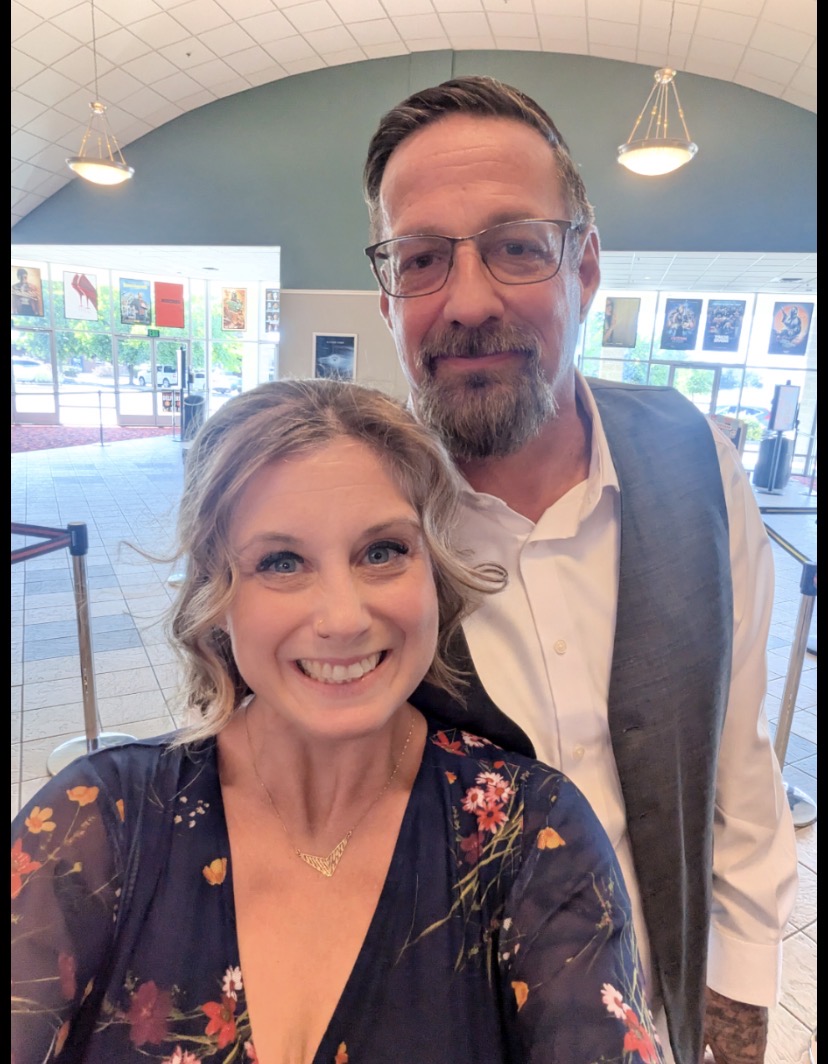
Rachael Field
Case Manager
Peer-to-Peer Washington State Certified • SUD Peer • FCS Provider • MRT Facilitator
Rachael provides case-management and peer-support services and helps residents engage with programming and reentry supports.
JOE'S Place #1 provides supportive and transitional housing, intensive case management, life-skills education, treatment coordination and reentry support for adults returning to the community after incarceration. A separate LRA civil commitment conditional release program operates on the same property under a DSHS contract.
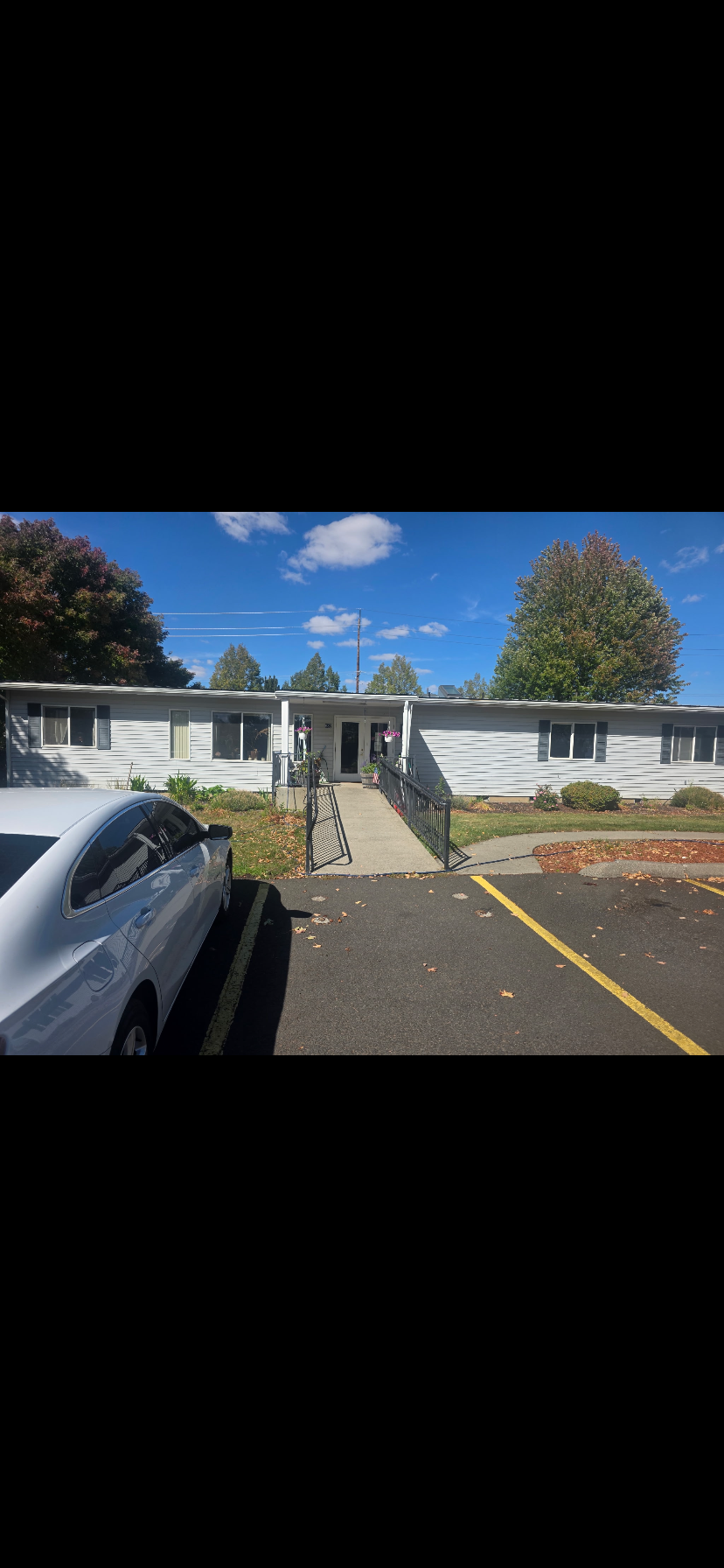
Accountability, structure, treatment, practical skills, community safety and coordinated support are brought together in one place.
This website is an educational concept. Program eligibility, services and referral requirements should be confirmed with JOE'S Place before publication.
JOE'S Place stands for Justice, Opportunity and Equality Services. JOE'S Place #1 is a Walla Walla residential reentry home providing housing and supportive services for individuals released after incarceration, focused on serving an underserved and highly stigmatized population. Its mission emphasizes a positive reentry experience while treating each client with dignity and respect.
JOE'S Place coordinates with community agencies, DOC, courts, law enforcement, treatment providers and other partners to create wraparound support.
Residents work on communication, conflict resolution, healthcare navigation, budgeting, employment, housing readiness and other practical skills.
The program combines structure, monitoring, treatment coordination and responsible community reentry with a focus on reducing future harm.
The program provides 15 RSO beds for DOC and non-DOC residents plus 5 LRA civil-commitment beds, within a structured shared-living environment.
JOE’S Place and the LRA civil commitment conditional release program are separate businesses/programs that operate on the same property. The LRA program is provided under a contract with DSHS. The participant payment fee described for JOE’S Place does not apply to LRA placements.

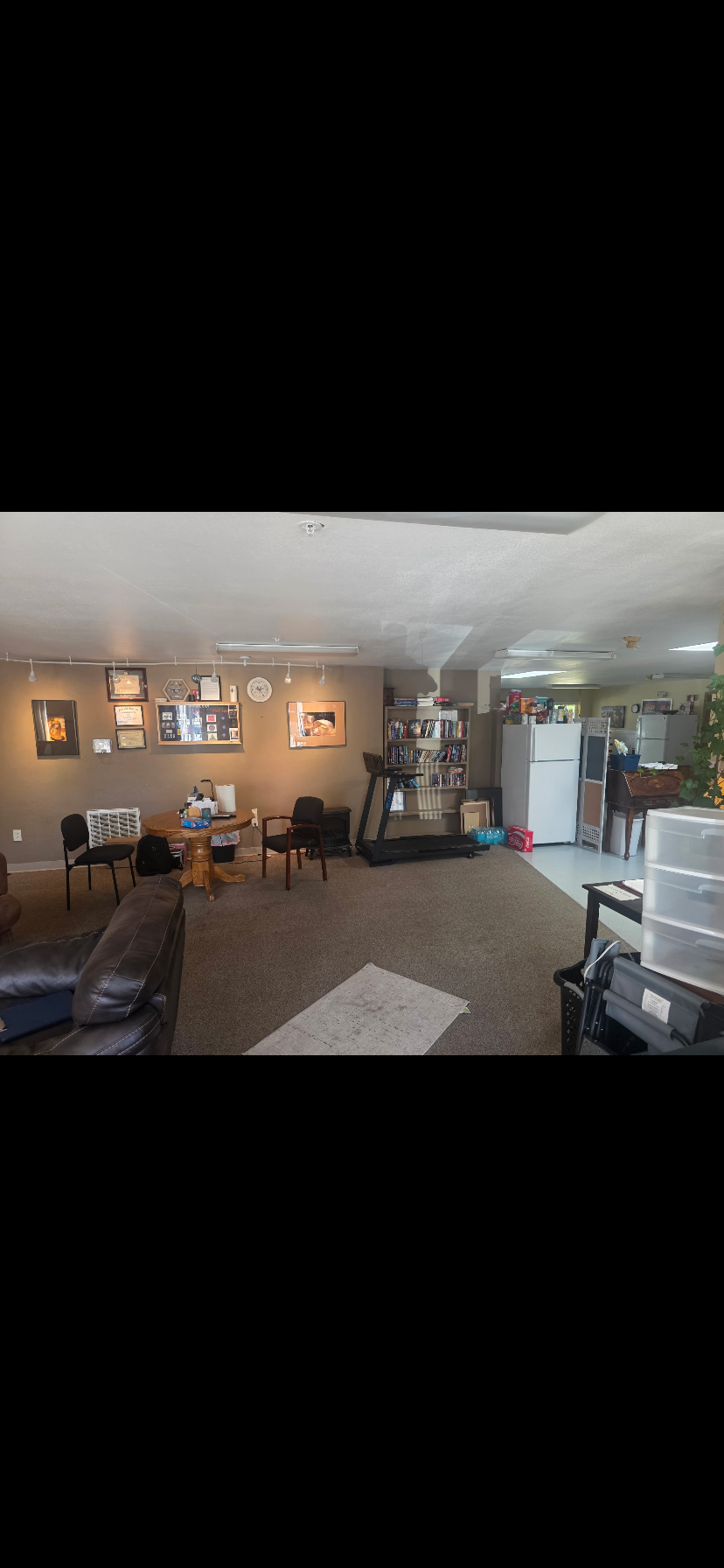
JOE'S Place #1 has 15 beds for registered sex offenders, serving both DOC and non-DOC residents. A separate LRA civil commitment conditional release program has 5 beds on the same property. Residents live in a structured residential setting. Adults 18 and older who are registered sex offenders, including individuals classified at levels 1–3 and individuals designated as sexually violent predators (SVP), including people returning from DOC, federal institutions and other settings. Referrals and eligibility are subject to program requirements.
JOE'S Place #1 provides a structured residential setting for registered sex offenders returning to the community, including DOC and non-DOC residents. A separate LRA civil commitment conditional release program operates on the same property.
Housing capacity for registered sex offenders from DOC and non-DOC placements.
Five beds are used by the separate LRA program operating under a DSHS contract. There is no participant program price listed for LRA placements.
The home combines housing with case management, treatment coordination, life-skills support and structured reentry services.
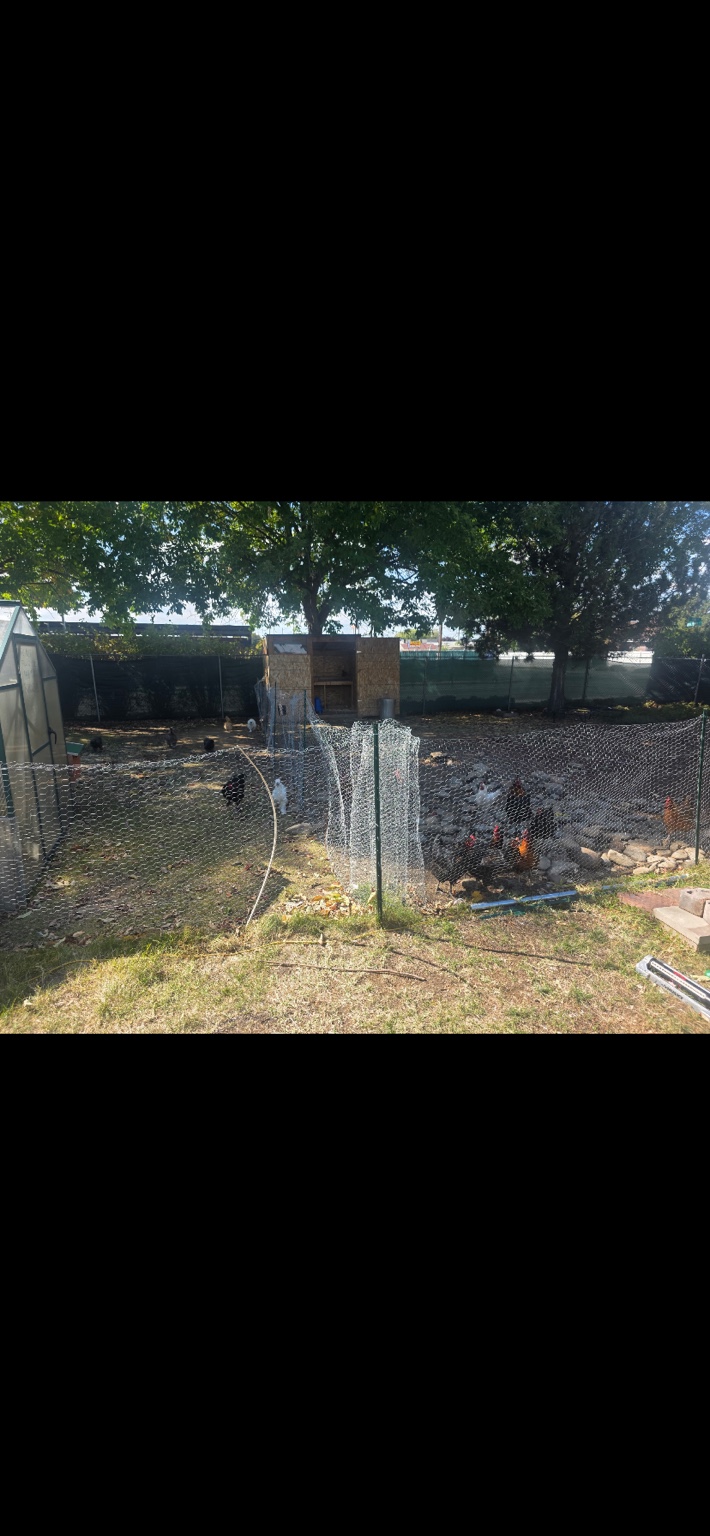
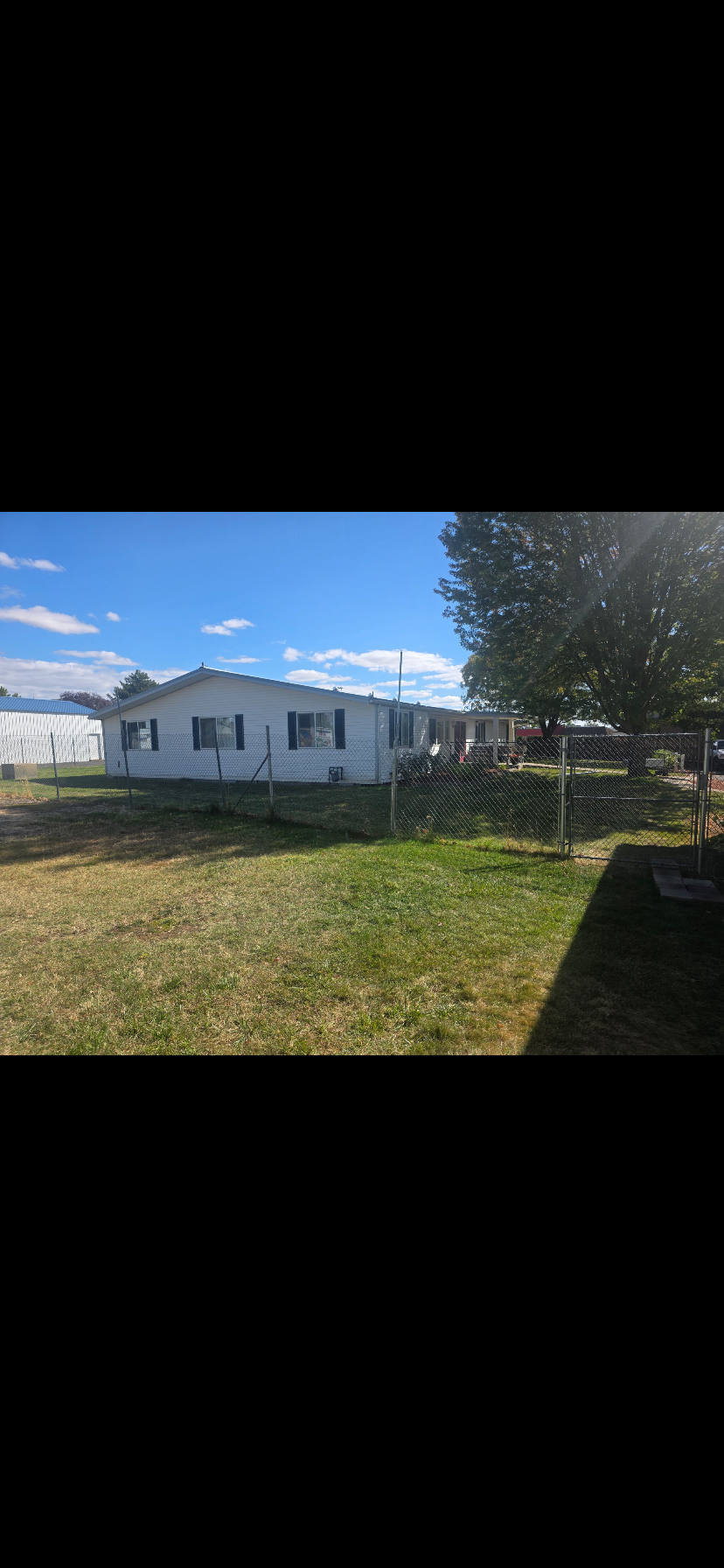

JOE'S Place #1 currently lists 15 beds for registered sex offenders and 5 beds for residents under Less Restrictive Alternative (LRA) civil-commitment arrangements. Other operational details are not stated here unless confirmed by JOE'S Place.
Supportive/transitional housing, intensive case management, 24/7 onsite supervision, transportation and housing-stability planning.
Moral Reconation Therapy (MRT), a 12-week course meeting once per week, plus coordination with contracted sex-offender treatment and behavioral-health providers.
Shopping, appointments, MyChart navigation, medication-management support, communication, conflict resolution and household responsibilities.
Resumes, employment support, literacy/comprehension assistance and practical preparation for independent living.
Ready-to-rent education, landlord communication, credit, rental history, budgeting and preparation for independent housing.
Transportation to appointments and support with driving lessons and testing when appropriate.
A dedicated group room is used for therapy and groups. Attorneys, polygraph professionals, forensic experts and other professionals also use the space when meeting with residents.
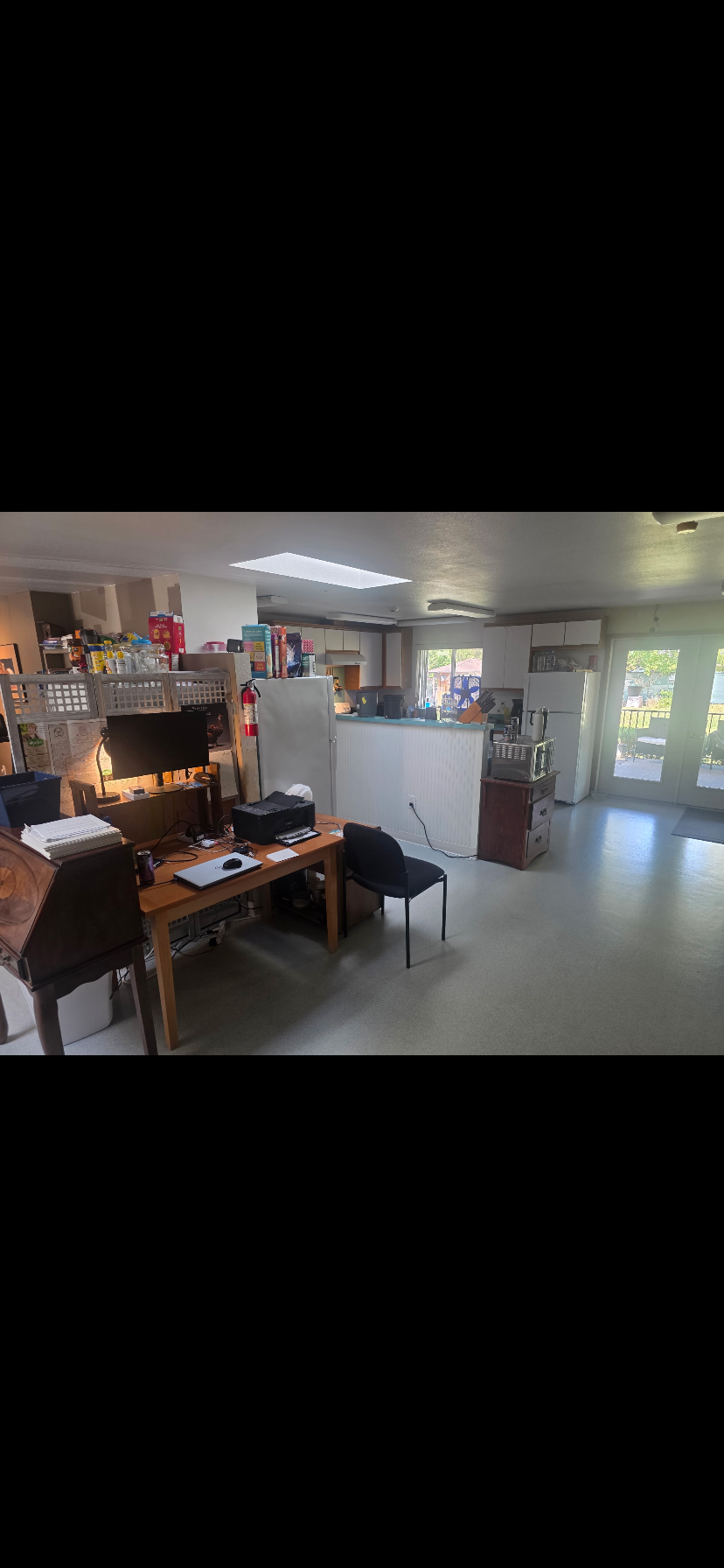
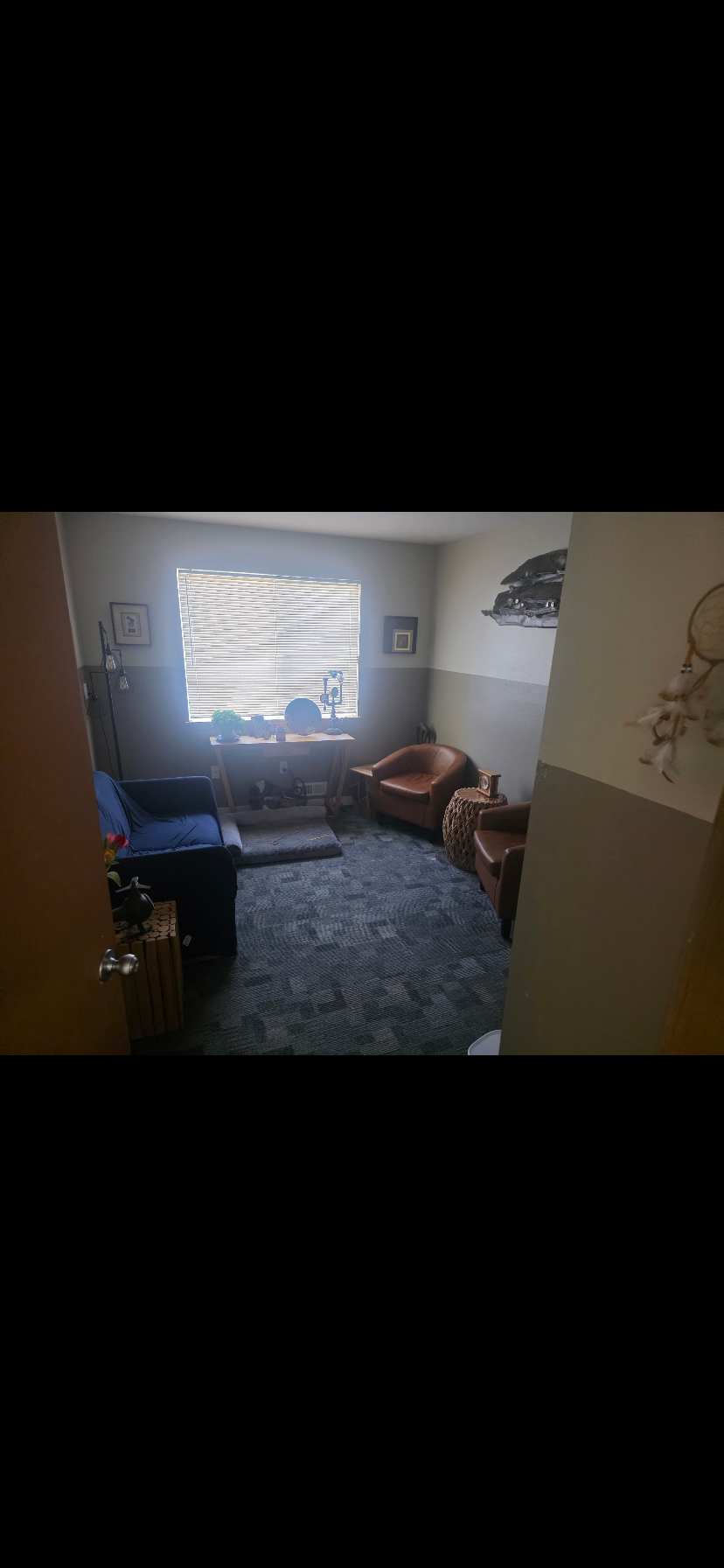
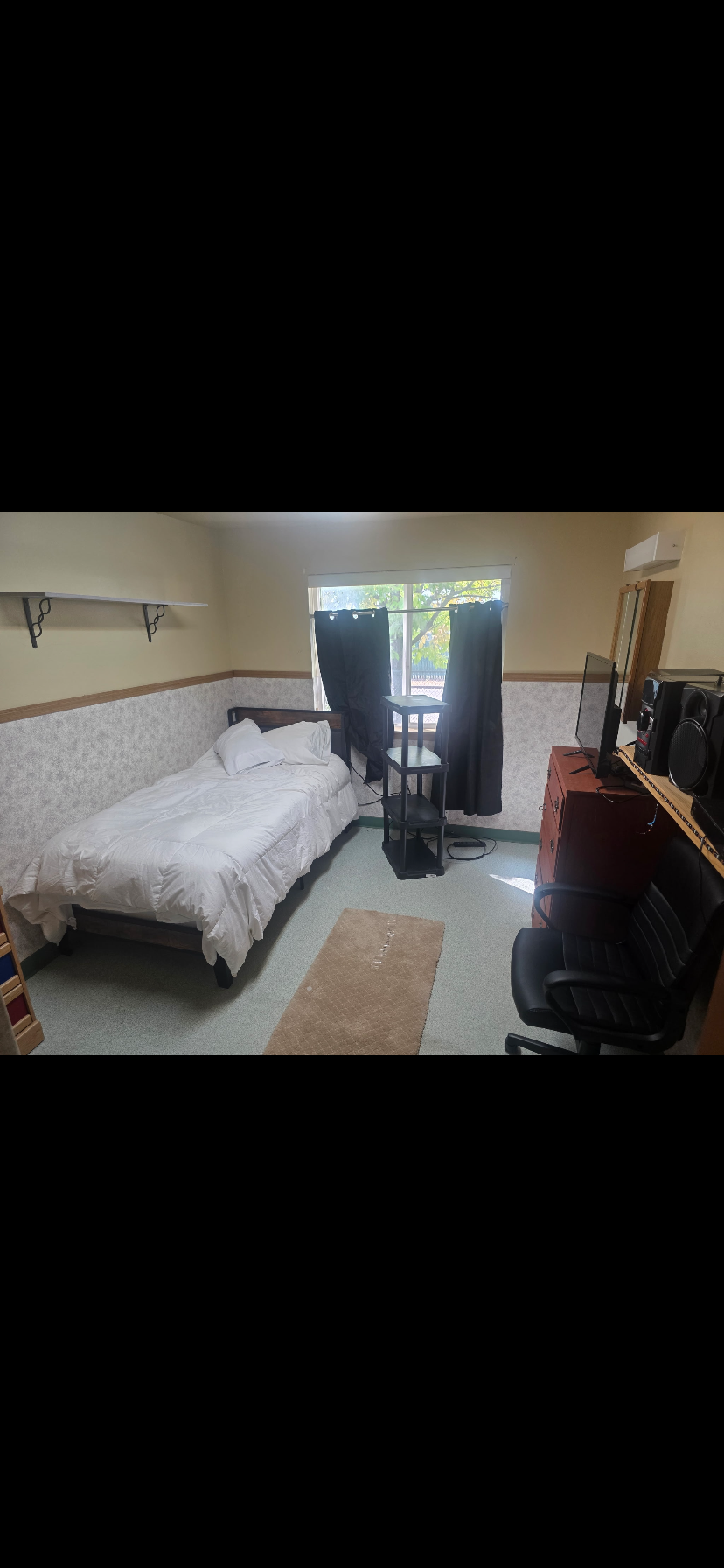
Potential residents are referred and complete the JOE’S Place housing application/intake process. Non-LRA placements have a participant payment fee. LRA placements are handled through the separate DSHS-contracted LRA program and are not assigned the JOE’S Place participant fee.
Residents participate in a shared living environment with rules, chores, supervision and ongoing support.
Staff coordinate services around housing, treatment, employment, healthcare, life skills and community requirements.
Residents practice effective communication, mediation and emotional-regulation skills.
Staff work with residents toward stability, independence and successful transition into the community.
LRA placements do NOT pay the JOE’S Place participant fees. The LRA civil commitment conditional release program is separate from JOE’S Place and operates under a DSHS contract. The fees below apply only to non-LRA JOE’S Place placements.
Current program fee reported by JOE'S Place #1 for non-LRA placements. LRA placements do NOT pay this fee. The fee covers program-related housing/support costs except food and hygiene.
Current one-time administrative fee reported by JOE'S Place #1 for non-LRA placements. LRA placements do NOT pay this fee.
Email rachael20102015@gmail.com or call (509) 520-3452.
JOE'S Place is designed around structured residential reentry, supportive services, supervision and coordination with community partners. Local police and public-safety officials have reported that the Walla Walla location has operated with no reported violations, incidents or neighborhood issues since opening.
Read the attached letter of support from Chief Buttice regarding JOE'S Place and its role in the community.
Residents share a home, complete household responsibilities and participate in mediation and communication work designed to support a stable living environment.
Program materials describe coordination with DOC, law enforcement, courts, treatment providers and other community agencies.
The program's public-facing purpose is successful, accountable reentry that supports safer communities and reduces the likelihood of future harm.
Safety-record statement should be confirmed with the relevant local public-safety officials before final publication as an independently verified claim.
JOE'S Place currently highlights its two leaders and keeps broader staff information off the public website for now.
Case Manager
Peer-to-Peer Washington State Certified • SUD Peer • FCS Provider • MRT Facilitator
Rachael provides case-management and peer-support services and helps residents engage with programming and reentry supports.
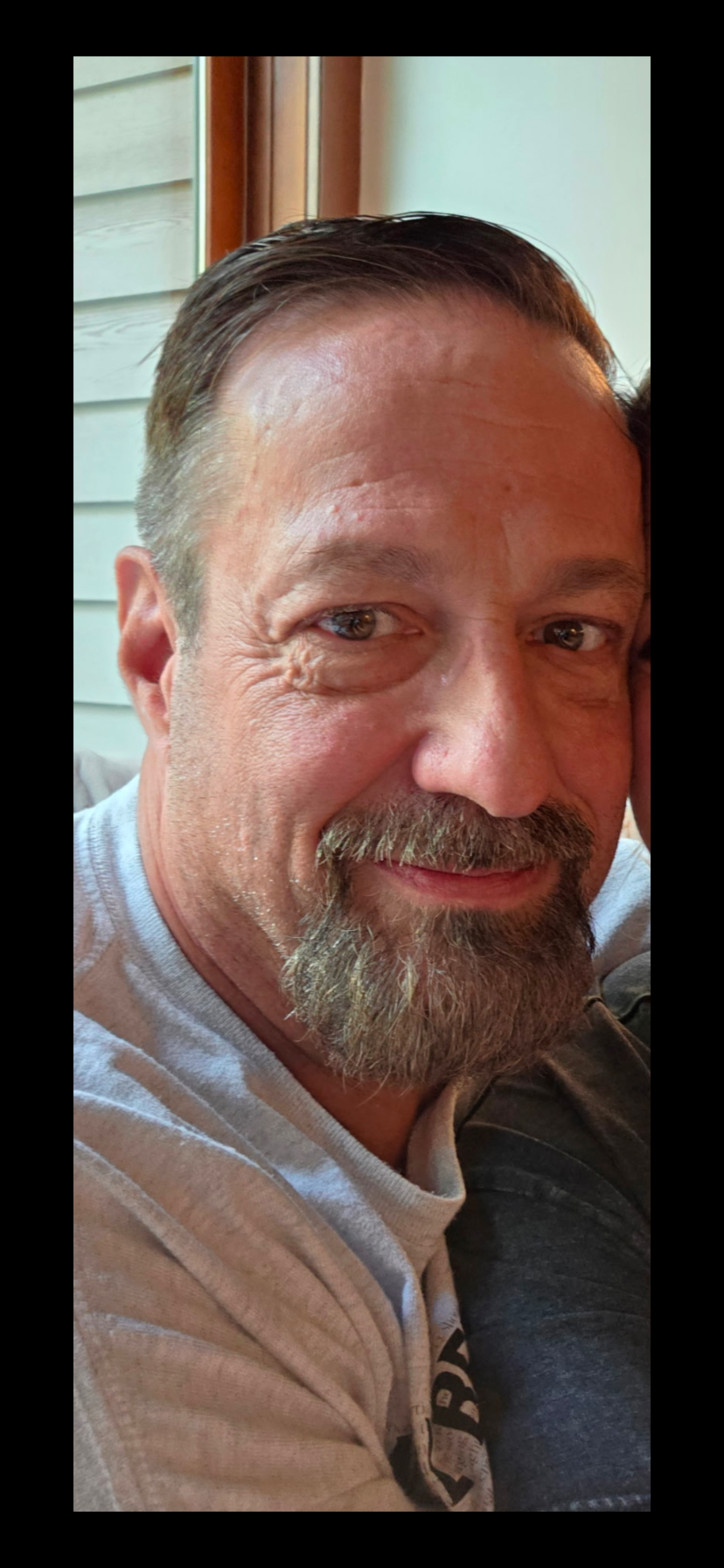
Director
MSW • PLGSW • MRT Certified • Ready to Rent Certified • Mental Health & Reentry Expert for Sexual Offenders (WA Courts / MN State Courts)
Joe directs JOE'S Place and oversees the program's housing, reentry, treatment coordination and community partnerships.
Employee
JOE'S Place can show both its local community support and the broader research context behind structured reentry. Website statistics should always identify the original source and should never be presented as JOE'S Place's own outcome data unless they are actually measured by the organization.
The Washington State Sex Offender Policy Board says its work is intended to enhance public safety and includes projects that inform policy on sex-offender management. Its publications include research and recommendations concerning community transition.
In a Washington SOPB report on Special Commitment Center releases, a Washington analysis of 7,689 people who registered as sex offenders between 2000 and 2003 found that, on average, risk of rearrest dropped below the risk for a Washington citizen after approximately nine years offense-free in the community. The report also notes that most rearrests occurred within a smaller subset of the cohort and during the first few years after registration.
Source: Washington State Sex Offender Policy Board, “Recommendations and current practices for Special Commitment Center releases.”
The same SOPB report cites research finding lower recidivism among people who participated in sex-offender treatment than among untreated comparison participants, and emphasizes that stability in housing and employment can help people engage in treatment.
Walla Walla County records show public funding support for JOE'S Place's housing work. County documents show a $57,600 award recommendation in 2023 and a $45,000 Permanent Supportive Housing subaward for State Fiscal Year 2026.
These are public funding records, not a claim that the County endorses every statement on this website.
Program materials identify collaboration with DOC, law enforcement, behavioral-health providers, housing and employment organizations, education partners and other community agencies.
JOE'S Place should publish its own outcomes separately from statewide research. If the organization has internal numbers such as successful housing transitions, employment, treatment completion or program retention, those can become a future “Our Impact” section once verified.
JOE'S Place includes this section as public education. The summaries below describe Washington law, state agency practices and published research. They are educational summaries, not legal advice, and the original sources are linked for readers who want the full text.
Washington law generally requires adults who have been found to have committed or convicted of a qualifying sex offense to register with the county sheriff. Registration information includes items such as name, address or planned location, employment, conviction information, photograph and fingerprints. People who move, change residence or otherwise fall under specified circumstances have additional reporting duties.
The length of the registration duty depends on the offense and the person's qualifying conviction history. Under current Washington law, some adult Class A felony sex offenses and certain repeat-offender situations require registration indefinitely, while some qualifying Class B and Class C offenses can have time-limited registration when statutory conditions are met.
Washington uses risk levels I, II and III for public-notification purposes. The statutory framework describes Level I as low risk, Level II as moderate risk and Level III as high risk to sexually reoffend in the community at large. Public disclosure rules differ by level and other circumstances, and Washington maintains a searchable statewide sex-offender information website.
Washington DOC describes reentry as a process that begins during incarceration and continues into community supervision. DOC identifies employment, education, treatment, mental-health services, housing assistance, family and community support, and accountability to supervision conditions as parts of successful transition.
Washington DOC's Sex Offense Treatment and Assessment Program (SOTAP) uses risk, need and responsivity principles. DOC describes treatment as addressing individual risk factors, building cognitive and behavioral skills, developing protective factors and preparing participants to apply those skills in the community. DOC also describes community treatment after release for qualifying participants.
For people civilly committed under Washington's sexually violent predator law, an LRA is a court-ordered conditional release to a setting less restrictive than total confinement. DOC explains that LRA residents can be supervised in the community and may be subject to court-ordered conditions, treatment coordination and electronic monitoring.
A Washington State Sex Offender Policy Board report summarizes a Statistical Analysis Center study of 7,689 people who registered as sex offenders in Washington between 2000 and 2003. Over a 15-year follow-up, the study found that, on average, risk of rearrest declined over time and fell below the risk for a Washington citizen to be arrested after approximately nine years offense-free in the community. The report also says most rearrests for the cohort occurred among a smaller subset and during the first few years after registration.
Washington's research does not support reducing a complex issue to one number. A Washington State Institute for Public Policy systematic review found that the research available at the time provided limited guidance about the specific deterrent effect of registration and notification on recidivism, while some evidence suggested possible general deterrent effects. The Institute called for additional research before definitive conclusions could be drawn.
The research above describes Washington populations, laws or statewide programs. It is not JOE'S Place outcome data. JOE'S Place can publish its own verified measures, such as housing retention, treatment participation or successful transitions, separately when those numbers are documented by the organization.
Referrals, treatment coordination, housing questions and community partnerships can be directed to JOE'S Place. Legal questions about an individual's registration duty, supervision conditions or LRA order should be directed to the appropriate attorney, court, sheriff, DOC or other responsible agency.
Source note: This page was updated using Washington statutes, Washington Department of Corrections materials, the Washington State Sex Offender Policy Board and Washington State Institute for Public Policy publications. Laws and agency policies can change, so readers should use the linked original sources for the current requirements.
Donations help provide the practical tools and resources that make structured reentry possible.
Support housing, programming, transportation, education, technology and other program needs.
Electronics • exercise equipment • crafts • puzzles • accessible-reading books • literacy materials • therapy workbooks • driving materials
Businesses and organizations can help through funding, in-kind donations, services, employment connections and referrals.
JOE’S Place now uses one housing application under the JOE’S Place name. The former STAR Project is no longer used. The application begins with the key placement question: Are you a registered sex offender? This information helps determine which house/program is appropriate.
Complete the JOE’S Place Housing Application and return it through the referral contact below. The application has been shortened and consolidated for JOE’S Place.
Download Application (PDF)Download Editable Application (Word)
Rachael Field
rachael20102015@gmail.com
(509) 520-3452
Rachael can answer application questions and help with referrals.
The application asks whether the applicant is a registered sex offender and, if applicable, requests the relevant registration level and treatment information. LRA placement is handled through the separate LRA civil commitment conditional release program operating on the same property.
Referrals may come from DOC, attorneys, judges, other professionals, agencies, or any member of the community. Current eligibility requirements apply.
Walla Walla, WA 99362.
JOE'S Place coordinates treatment and works with contracted providers. Payment arrangements depend on the placement. LRA placements are handled through the separate DSHS-contracted LRA program.
Yes. Program materials describe coordination with DOC and other justice-system partners.
Physical donations may be sent to Walla Walla, WA 99362. For cash donations, email fieldtransitionalservices@yahoo.com or joesplacefirst1@gmail.com while the permanent online donation method is being established.
Anyone can make a referral, including DOC, attorneys, judges, professionals, agencies, family/support networks or other community members. Contact Rachael Field at rachael20102015@gmail.com or (509) 520-3452 for current forms and requirements.
Walla Walla, WA 99362
Questions & referrals: rachael20102015@gmail.com
Phone: (509) 520-3452
Address: Walla Walla, WA 99362
JOE’S Place and the LRA civil commitment conditional release program are separate businesses/programs operating on the same property. LRA placements are provided under a DSHS contract.